Tag: 21st century parenting

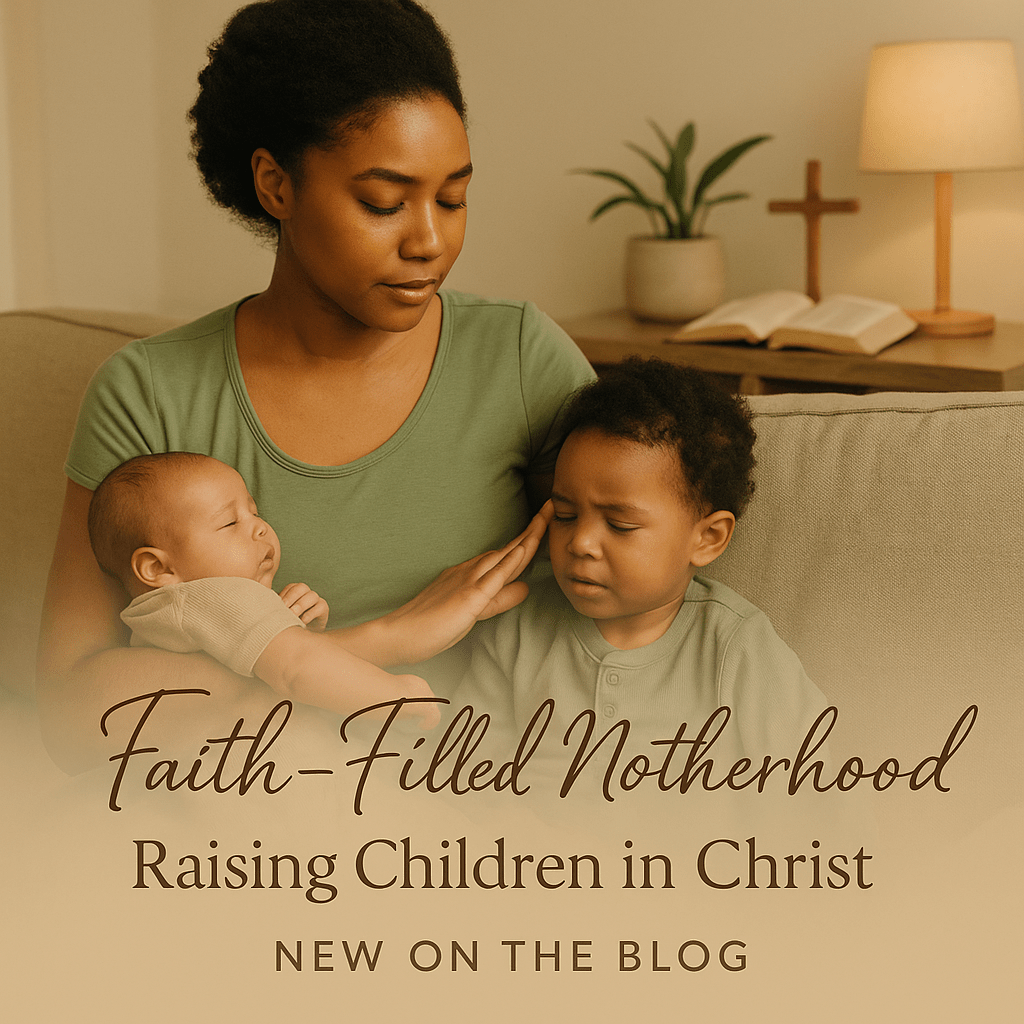
  • Faith-Filled Motherhood: Raising Children in Christ

    Motherhood is beautiful, but let’s be honest, it’s also messy, loud, unpredictable, and deeply humbling. Some days I feel like I’ve got it together; other days, I’m praying through tears while holding a baby in one hand, calming a screaming toddler, and stirring dinner with the other hand.

    But in every season, one thing remains constant: I am raising children who belong to God. And that is no small calling.

    ✝️ Why Faith-Filled Motherhood Matters

    As Christian mothers, we’re not just raising children, we’re raising disciples. Our homes are the first church our children will experience. And in today’s world, where values are constantly shifting and godly truth is often challenged, raising children in Christ is more crucial than ever.

    I often remind myself: “They don’t just need a good life. They need a godly life.”

    That means prayer isn’t just something we do before bed. It’s woven into our day, when they’re scared, when they’re sick, when they’re sad, and even when they’re just trying to find their shoes in the morning!

    👶🏽From Diapers to Devotionals

    With four children, two under the age of two, my house is anything but quiet. And yet, God shows me daily that these are holy moments. Changing nappies and wiping noses may not seem spiritual, but when done in love and surrender, they are acts of worship.

    In our home, faith isn’t a “Sunday thing.” It’s our lifestyle. We:

    💛Speak blessings over our children every morning.

    💛Play worship music in the background during our daily routines.

    💛Read a short Bible story together just before bedtime (even if we have to pause to change a diaper mid-way!)

    It’s not perfect, and we miss days. But the goal is not perfection, it’s consistency.

    📚Teaching Them the Word, Living Them the Word

    I’ve learned to integrate faith into every subject I do with my kids at home. When we do science, we marvel at God’s creation. Even in maths, we talk about the God of order and design.

    But beyond the lessons, what speaks the loudest is how we live.

    Do they see me forgive quickly?

    Do they hear me speak kindly about others?

    Do they notice how I respond when things don’t go my way?

    These are the real lessons they’ll carry into adulthood.

    💡Tips for Other Faith-Filled Mamas

    1. Don’t wait for the “right time.” Start small. A verse a day. A prayer before school. A worship song in the car.

    2. Let them see your faith in action. Pray openly. Repent openly. Celebrate answered prayers together.

    3. Use every moment as a teaching moment. Tantrums, tears, and triumphs all have spiritual lessons tucked inside.

    4. Pray for them AND with them. Your intercession is powerful, but modeling prayer is what teaches them to do it themselves.

    5. Give yourself grace. Some days will be chaotic. That’s okay. God works through the messy too.

    💖My Prayer as a Mother

    “Lord, help me not just raise good children but godly children. May they know You, love You, and walk with You all the days of their lives. Even in my weakness, may Your strength be made perfect in my motherhood.”


    Motherhood is one of my ministries, my mission field, and one of the greatest honours of my life. If you’re reading this and feel weary, just know: God sees you, Mama. And He’s with you, every step of the way.

    Let’s raise warriors for Christ one nappy, one prayer, one bedtime Bible story at a time.

    With love,

    Harmonie 💖
  • Why It Matters: Being Involved in Your Child’s Education

    Hey lovely readers,

    On Wednesday, we touched on Parenting in the 21st Century and today I want to share something that’s very close to my heart—being actively involved in our children’s education. Not just financially, but physically, emotionally, and culturally. I truly believe it’s one of the greatest investments we can make as parents.

    Our children may go to school, and yes, their teachers do a brilliant job. But the truth is, education doesn’t start and stop at the school gates. What we do at home matters—sometimes even more than what happens in the classroom.

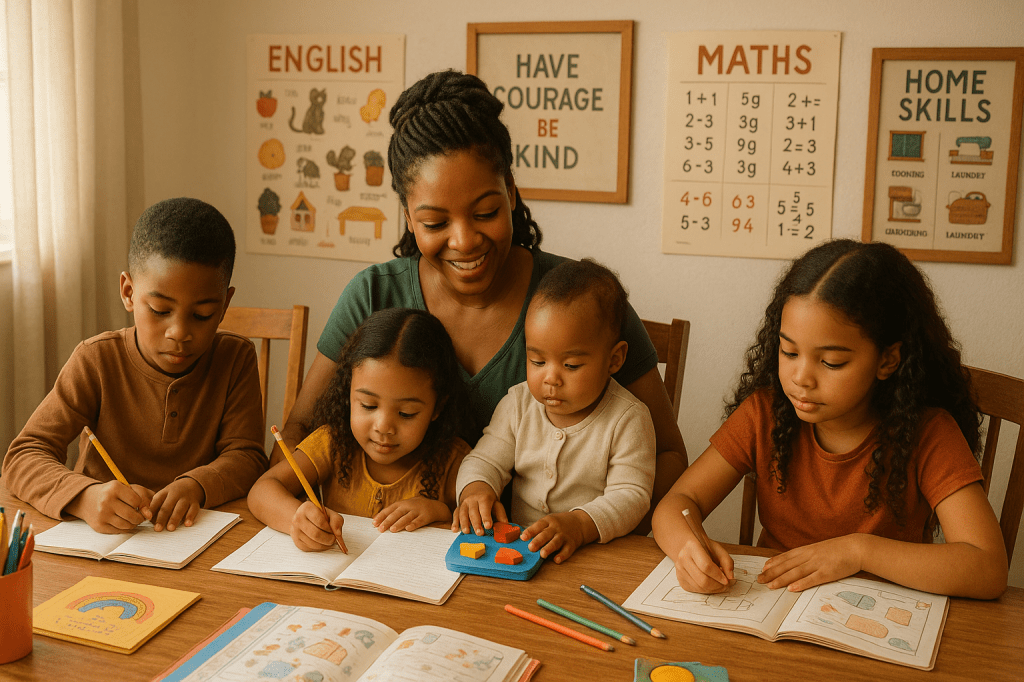
    For me, I’ve tried my best to be as hands-on as I possibly can because let’s be honest – private tuition costs a fortune! So we’ve created our own weekly learning schedule at home. And trust me, it’s been one of the most rewarding things I’ve ever done- for my pockets too! 😂.

    Let me give you a peek into our routine after school.

    💫 On Mondays, we do English lessons. I sit down with them and we work on things like comprehension, creative writing, spelling, and dictation. Right now, we’re in the middle of learning how to write our own stories—starting from choosing a theme, developing a main character, building a plot, and understanding how a story flows all the way to the idea of publishing it. It’s amazing seeing how their little minds work, and how proud they feel when they bring their own ideas to life.

    💫 On Wednesdays, we dive into cultural studies. As someone from Ghana, it’s so important to me that my children know where they come from. So we talk about our heritage, traditions, history, and values. I also teach them our local language—Asante Twi—because I don’t want them to lose their connection to their roots. It’s more than just language; it’s an identity.

    💫 Thursdays are for Maths and Science—30 minutes each, just to polish up what they’re learning at school and help with any tricky topics they might be struggling with.

    💫 Fridays are all about PSHE (that’s personal, social, health, and economic education) and Home Economics. Sometimes we cook together. Other times, it’s gardening, learning to clean and organise the house, or managing basic finances. I want them to grow up with not just academic knowledge, but life skills too.

    💫Saturdays are reserved for family outings and extra curriculum activities.

    💫Sundays, we slow things down and focus on church and Family Bible study. We read the Word together, discuss it, ask questions, and reflect. It’s our way of grounding the week spiritually and reminding ourselves of what truly matters.

    And for the areas I can’t personally teach, I’m not afraid to invest. On Tuesdays, We pay for Mandarin lessons (£5 an hour) and Piano classes (£15 an hour) for my oldest daughter, and coding classes for my eldest son (£12 per hour). Altogether, we spend £32 a week, which is £128 a month—and honestly, I consider that an excellent investment in their future.

    Now I know this might sound like a lot, and not every family will follow this exact setup. That’s okay. But the heart of what I’m sharing is this: our children thrive when they know we’re interested, present, and invested in their growth. Not just academically—but personally, culturally, and spiritually.

    Now, if you’re thinking, “But I’m not a teacher—I wouldn’t even know where to start,” let me just say this: you’re not alone. Honestly, there are times I don’t feel confident enough to plan everything myself either—especially when it comes to English, Maths, and Science. That’s why I often turn to free online resources to help guide the lessons I do at home with my children. You don’t have to reinvent the wheel—there are incredible tools out there, and I use them too!

    Next week, I’ll dive deeper into a few of my favourites and how you can use them to support your child’s learning journey from home. But just to give you a head start, here are some of the ones I love:

    🌟Khan Academy

    🌟Oak National Academy

    🌟BBC Bitesize

    🌟Math Playground

    🌟British Council – LearnEnglish Kids

    🌟Fun English Games

    🌟Science Journal for Kids

    These are all FREE, easy to use, and full of engaging content your children will actually enjoy and also follows their school curriculum.

    You don’t have to be perfect or have a teacher’s degree. Just showing up and trying your best counts.

    Let’s raise children who know their worth, understand their roots, and feel deeply supported—both in and out of the classroom.

    💬Let me know in the comments section what you’re all doing at home with your little ones—whether it’s reading, cooking, learning new languages, or just figuring it out as you go. We’re all learning from each other, and I’d love to hear your ideas. 💛

    With love and intention,
    Harmonie 💖

  • Parenting in the 21st Century.

    Parenting in the 21st Century: Wisdom for Raising Strong, Healthy Kids

    Parenting has never been simple—but parenting in the 21st century brings an entirely new set of challenges. From managing screen time to navigating social media, from rising mental health issues to shifting cultural values, today’s parents are under immense pressure to raise well-rounded, emotionally healthy, and morally grounded children.

    Whether you’re a person of faith or simply someone who wants to raise kind, responsible humans, there’s one truth we can all agree on: parenting is more than a job—it’s a calling. And while the world is constantly changing, some principles remain timeless.

    1. Build a Strong Foundation of Values

    Every family needs a moral compass. What do you want your children to believe about honesty, kindness, hard work, and responsibility? Whether you draw those values from your faith, your culture, or life experience, be intentional about shaping them early.

    Children thrive when they know where their family stands and what’s expected of them—not through harsh rules, but through consistent, clear guidance. Modeling integrity, respect, and compassion in your own life is one of the most powerful teaching tools you have.

    2. Be Present in an Age of Distraction

    We live in a distracted world. Between jobs, phones, and the daily chaos of life, quality time with our kids can easily fall to the bottom of the list. But being physically present is not the same as being emotionally available.

    Make time to slow down and truly connect. Sit down for dinner without screens. Ask them open-ended questions. Laugh together. More importantly, create a safe space for your child to express their thoughts and feelings without fear of judgment. When they know they’re heard, they become more open and secure.

    3. Invest in Their Education and Natural Gifts

    Every child is unique—created with their own strengths, talents, and learning styles. Part of our role as parents is to help them discover those gifts and provide opportunities for growth.

    Support their education, not just in academics but also in life skills, emotional intelligence, and creativity. Encourage hobbies. Celebrate their efforts. Whether it’s a love for music, sports, science, or storytelling—nurture what makes them come alive.

    Success isn’t one-size-fits-all. Helping your child discover their path is one of the greatest investments you can make.

    4. Lead with Both Boundaries and Grace

    Children need boundaries to feel safe, but they also need grace to grow. It’s easy to fall into the trap of being too strict or too lenient—but the healthiest families find a balance.

    Set limits and follow through with love, not anger. Let them make mistakes, and use those moments to teach, not to shame. When kids know that home is a place where they can fail and still be loved, they build resilience, confidence, and trust.

    5. Prepare Them, Don’t Just Protect Them

    The world can be a difficult place, but sheltering children from every challenge isn’t the answer. Instead, help them build the tools they’ll need to face life with courage and clarity.

    Teach them how to think critically, manage emotions, make wise choices, and stand up for themselves and others. Talk about real issues—even the uncomfortable ones—so they’re not learning everything from the internet or their peers. Equip them to live with compassion, confidence, and conviction.

    6. Pray Without Stopping

    Ultimately, parenting is a spiritual battle. We cannot parent well in our own strength. Philippians 4:6 reminds us, “Do not be anxious about anything, but in everything by prayer and supplication with thanksgiving let your requests be made known to God.”

    Pray for wisdom. Pray for your children’s hearts. Pray for protection, guidance, and godly influences. And let your children see you praying—not just for them, but with them.

    7. Stay Humble, Keep learning

    There’s no such thing as a perfect parent—and that’s okay. The best parenting is done by those who are willing to keep learning, stay humble, and admit when they get it wrong.

    Be willing to apologize. Ask for help. Learn from others. Parenting is a journey, not a formula. And each child will require something a little different from you.

    Raising Grounded Kids in an Uncertain World

    In a fast-paced, high-pressure world, what your children need most is you—your presence, your love, your guidance, and your example. The values you instill today will shape how they face tomorrow.

    Whether your foundation is built on faith, family tradition, or personal principles, the most impactful parenting is rooted in love, consistency, and intentionality.

    In addition, as Christian parents, we are not called to be perfect—but to be faithful. We plant seeds, water them with love and truth, and trust God to bring the growth.

    Parenting in the 21st century isn’t easy—but it’s also full of opportunity. You don’t have to have all the answers. You just need to show up, stay engaged, and keep walking with your child as they grow into the person they’re meant to be.

    So take heart. God sees you. He walks with you. And He equips you to raise children who will shine like lights in a dark world (Philippians 2:15). Let’s parent with purpose, rooted in the Word, led by the Spirit, and driven by the hope we have in Christ.

    Standing with you, one day at a time,

    Harmonie 💚